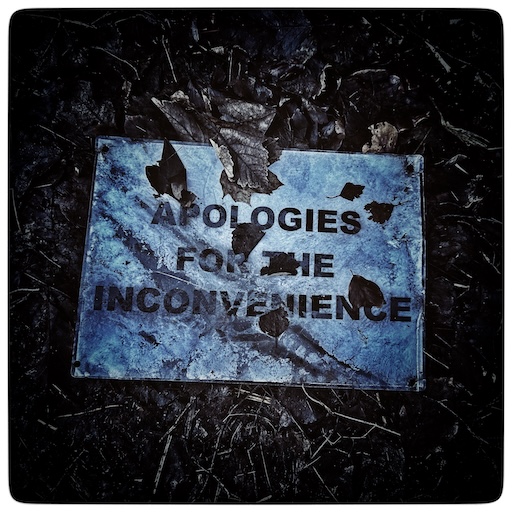
Since mid-2023 my photoblog has been broken. As I mentioned at the time, the issue was that this second incarnation of the blog had started life as a proper mashup of some web tools, and the heart of it was Twitter.
It all started to fall apart when Twitter got its new owner, and APIs became expensive, and other tools would not or could not work with it any more, and then it really fell apart when I finally nuked my account.
So since then the blog has been sat about, unused and unloved, with a lot of broken links and images.
Thankfully, though, the pipeline that I had going had been designed with this sort of problem in mind: part of what I had going also made a backup of the photos I took to Google Drive and to Google Photos. So when I got to a point the other day where BlogMore was usable I decided I should rescue the photos and rebuild the blog.
After downloading the full feed of the Blogger.com-hosted blog, I threw
together some Python code that took the data (thanks to
feedparser for helping with
that), matched up the posts with the images I had in Google Drive, slugged
the names, wrote some Markdown and copied some images, and I had the source
of a fresh blog.
The result of all of this can be seen up on seen-by.davep.dev.
I strongly suspect this is going to remain a pretty static site. At the moment I've given no thought whatsoever as to how I might have this populate in the way the old version of it did. Quite simply the old version was:
- Take photo
- Post to Twitter with a specific hashtag
- Have IFTTT notice this and create the blog post, make backups
- ...
- Profit?
I suppose, this time around, I could have something monitor my Mastodon account, or my pixelfed account, and then trigger a similar process; but then that would need something akin to IFTTT running and interacting with GitHub and creating the Markdown and kicking off a build process and...
Eh, maybe one day. For now, though, I'll be happy that I've rescued this particular incarnation of my photoblog and then think about if and how I carry on with something similar in the future.
Meanwhile... this has got me thinking. The original blog is backed up on WordPress. It's been sat there, all sad and neglected, ever since Posterous disappeared. I wonder if I can export all the data from there and mash it into this new version...